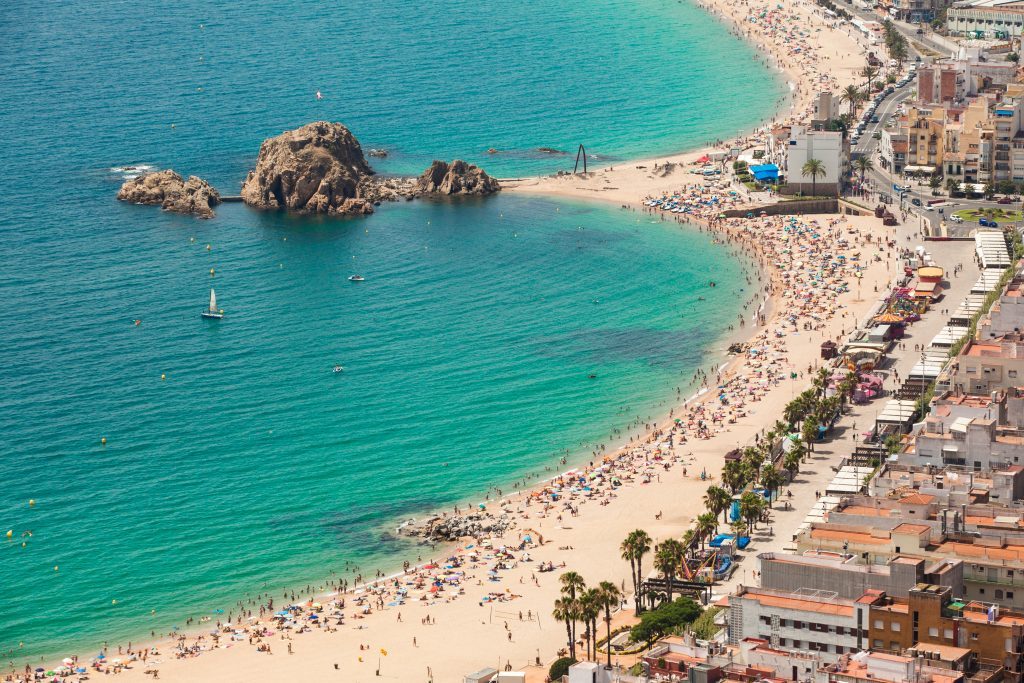
Las Palmas is the capital city of Gran Canaria. It is found to the north east of the island; this is a particularly beautiful area, set amongst two scenic coves. In between these coves are the Playa de Las Alcaravaneras and Playa de Las Canteras beaches; two perfect spots for soaking up the rays and swimming in the Atlantic Ocean. The city of Real de Las Palmas was first established in the late 15th century. Hence it also is a city of substance, with its own long established culture and local economies before it became popular with tourists. As the settlement grew, it split into two districts, Triana and Vegueta. These were located on the left and right banks respectively of the Barranco de Guiniguada. Nowadays, the Calle Juan de Quesada, a modern day main road, forms the border between both of these areas. Vegueta is the ‘Old Town’ of Las Palmas, and since 1990 has been officially recognised by UNESCO as a place of great cultural and historical importance.
For about four centuries, the population of Las Palmas mainly remained within the walls of Triana and Vegueta. During the 1500s, 1600s and 1700s, these two districts, as well as some humble immigrant and fishing districts and San José, together formed the city. However, in the 1800s, when Puerto de la Luz harbour was built, Las Palmas began to grow northwards, following the coast. It was at this time that Arenales, Alcaravaneras, La Isleta, Santa Catalina and Ciudad Jardín districts came into being.
Here you can find all the best prices for hotels in Las Palmas. Continue reading
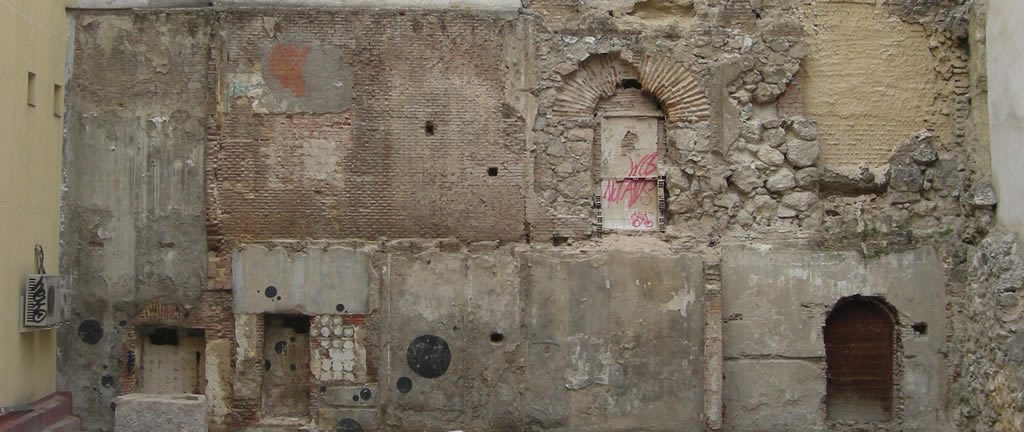
Dotted around Madrid, you will find hidden gems which people either don’t know about, or don’t visit very often. This merely adds to the calm and tranquillity that these havens offer. Their unassuming entranceways are located on quiet roads; for example, in the districts of Lavapiés and Huertas. They are hidden behind old hospitals, monasteries and the former homes of royals. Let’s take the neighbourhood of La Latina, for instance. On Calle del Almendro - a reminder of this street’s tree-lined past – you will find the ruins of the old Christian Wall of Madrid, sheltered by buildings 15 and 17. Those in the know head to this area for tasty taps. Here are a few more of Madrid’s secret places that are waiting to be discovered.
Calle Sacramento is a narrow road occupied in the main by recently constructed buildings. Building 7, however, is different, as it is here that you will find Huerto de las Monjas. Until 1972 a convent stood here, sheltering this enchanting green space with its high walls. It is thought that it was previously a kitchen garden, where vegetables such as cabbages, carrots, chives and lettuce were grown. Hence, when strolling around here you will feel like you have gone back in time.
Compare prices of hotels in Madrid in our range of Spain hotels and get great deals. Continue reading
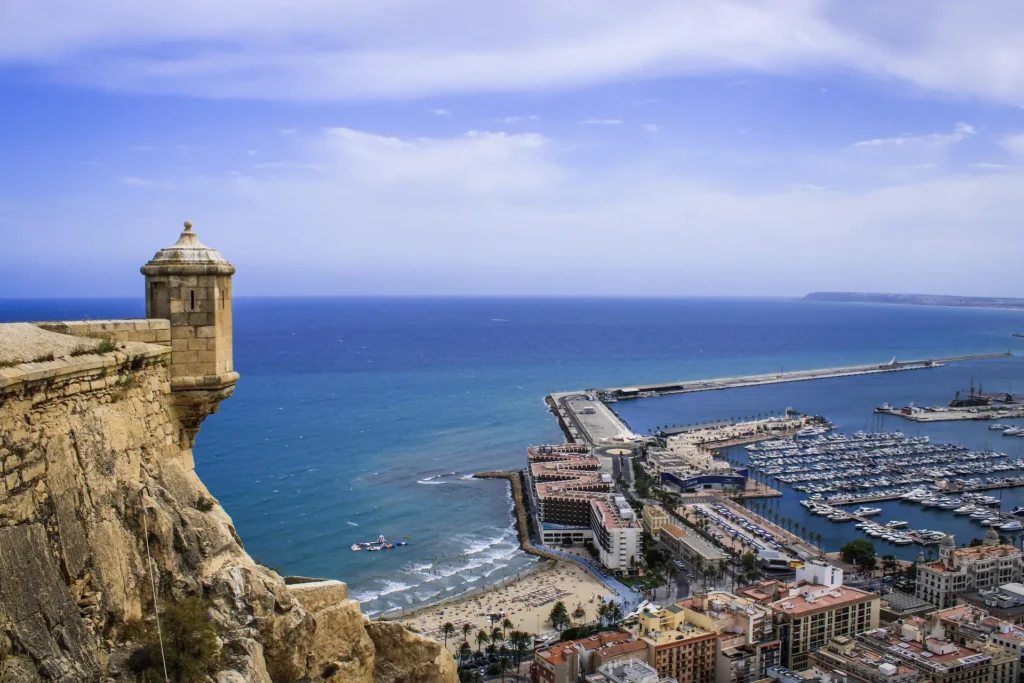
Unlike so many other resorts around the Costa Blanca, Alicante has tried to market itself for what it has to offer culturally, in addition to its famous beaches and glorious weather. Sandwiched between the coast and mountain ranges, it is a city of beauty as well as culture. Located on Mount Benacantil, the Castillo de Santa Bárbara is a reminder of Alicante’s Moorish past. Even though it has developed into a modern tourist city from a small town in need of rejuvenation, Alicante has not forgotten its history and traditions. Local festivals are held throughout the year, and the traditional paella, available in almost every restaurant, is the dish to try if you want to sample a taste of the Costa Blanca.
Alicante lies on the Mediterranean coast between Elche and Benidorm. To the west and north are mountain ranges, while the southern areas consist of valleys, through which the Segura River flows. The Alicante province is split into the Upper Marina, which takes in Teulada, Javea and Calpe, and Lower Marina, centred around Benidorm but also including Villajoyosa and Altea. The most visited beach in Alicante, which is considered to be amongst the best Spanish beaches, is the San Juan. Inland are Aspe and Movelda, while Guardamar and Torreveija are further along the coast.
Visitors can compare prices and find the best deals for hotels in Alicante from our range of hotels in Spain. Continue reading
Alicante Spain offers both a cultural experience and a fun loving night life. The discos will keep you dancing all night and the festivals last for days at a time. The costa blanca, or white sandy beaches, are beautiful to behold.
You must take a walk along the Explanada de Espana which is a promenade made of marble tiles each cut to specifics. Palm trees line the walkway with shops and cafes. The locals gather here to walk down the promenade and enjoy mild sea breezes and outdoor concerts. It is one of the most beautiful promenades in all of Spain.
The Mediterranean climate is mainly comfortable and mild with an average temperature range in the 60s and 70s degrees Fahrenheit. September and October are considered the rainy months, while the remainder of the year has few rain storms. This leaves many of sunny days for beach goers. The hottest day recorded was 107 degrees Fahrenheit and the most frigid day recorded was 27 degrees Fahrenheit. In the peak of the summer in August, the average temperature recorded was 87 degrees Fahrenheit. All around the climate is usually comfortable and nice. Continue reading