
GLOBAL TRAVEL GUIDE
Best Holiday Destinations
Essential World Travel Guide
Why Global Travel Guide?
“ A World Travel Guide with all the useful travel information in one place. ”
We provide concise, easy to understand, essential information about each country and city as well as latest news about travel throughout the world.
Find out about the best places to visit, where to stay, transport information, food and drink, visitor attractions and much more.
You can find the best deals available for accommodation and amenities.








Travel in COMFORT
Plan Your Trip
Enjoy More
It has been well established that if you plan your trip abroad well ahead of time, you will enjoy your trip much better.
Find the best holiday destinations, best places to stay, find out what’s on, the best visitor attractions and the best way to get around.
No panic, no last minute rush, travel in peace and comfort.
We have all that information here at your fingertips.

Sapporo
TRAVEL DESTINATIONS
Find out about
All The Best Holiday Destinations


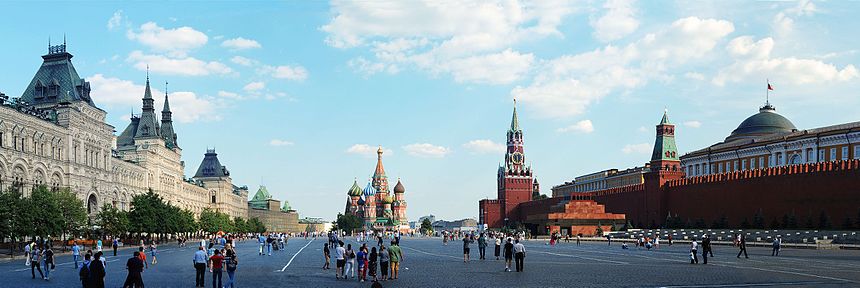





Countries of the World
How many countries are there in the world?
You will see various answers to this question. According to the United Nations there ar 195 countries including two observer states.
We are adding to our information about all countries regularly with information on:

Zoom in and scroll to any location in the world to find hundreds of hotels and other accommodation at the best holiday destinations
Where to Go?
There is such a wide variety to choose from. Find the best holiday destinations in Europe, Americs, Asia, Africa and Australia.

Holidays in Europe
Taking a holiday in Europe is one of the most exciting adventures you can give yourself. Imagine waking up to the smell of fresh pastries in Paris, wandering through Rome’s ancient streets, or watching the sunset over the Greek islands. Every country in Europe has its own traditions, language and attractions. Which makes Europe one of the best holiday destinations.
Travel around Europe is easy thanks to efficient trains and budget airlines, so you can easily enjoy a wide range of countries in a short space of time.
So what are you waiting for?
Ready to Explore America?
The vast continent of America includes USA, Canada, Mexico, Central America and South America.
The landscape is as varied as its peoples. The rich mix of peoples, cultures, food, heritage and landscape offers a bewildering choice to the traveller.